One Course, Lasting Consequences: What Cipro Does to Your Gut and Why It Matters for Your Long-Term Health
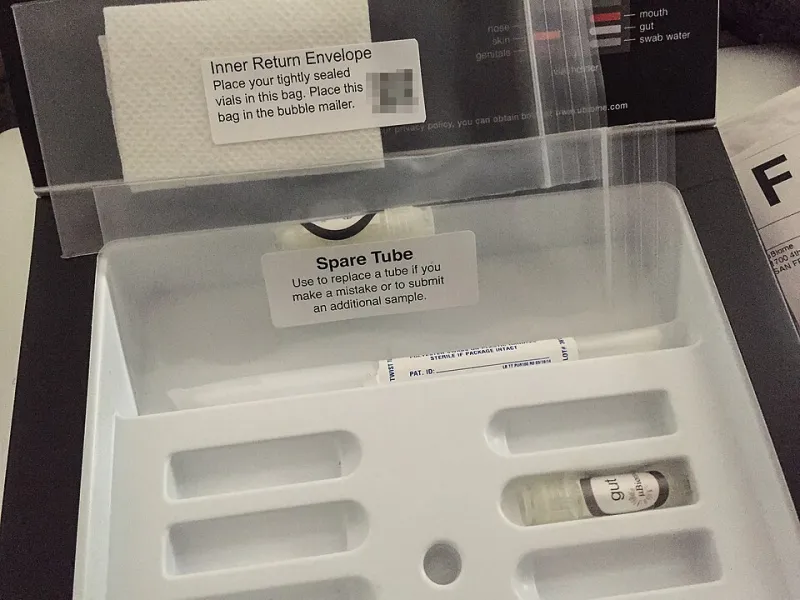
Photo: Tony Webster from San Francisco, California, CC BY 2.0, via Wikimedia Commons
When a physician prescribes ciprofloxacin, the goal is straightforward: eliminate a bacterial infection efficiently and allow the patient to recover. What rarely enters the conversation, however, is what happens to the trillions of microorganisms that populate the human digestive tract — organisms that play a critical role in immunity, metabolism, and overall health. Growing scientific evidence suggests that even a single, appropriately completed course of Cipro can leave a lasting imprint on the gut microbiome, raising important questions about when this powerful antibiotic is truly warranted.
Understanding the Gut Microbiome and Why It Deserves Protection
The human gut is home to an estimated 38 trillion microbial cells, comprising thousands of bacterial species that collectively form the microbiome. This ecosystem is not merely passive; it actively participates in digesting food, synthesizing vitamins, regulating inflammation, and training the immune system to distinguish between harmful pathogens and benign substances. When this balance is disrupted — a condition clinicians refer to as dysbiosis — the downstream effects can extend far beyond the gastrointestinal tract.
Ciprofloxacin is a broad-spectrum fluoroquinolone antibiotic, meaning it does not selectively target only the offending pathogen. Instead, it exerts bactericidal activity across a wide range of gram-negative and some gram-positive bacterial species. This broad reach is part of what makes it effective — and part of what makes it disruptive to the gut's delicate microbial community.
What the Research Reveals About Cipro and Microbiome Disruption
Several peer-reviewed studies have documented significant microbiome alterations following ciprofloxacin use. Research published in scientific literature has demonstrated that Cipro can reduce gut microbial diversity by as much as 30 percent within the first week of treatment. While many bacterial populations begin to recover after the course ends, full restoration does not always occur.
A notable study found that certain bacterial genera — including Clostridiales and Lachnospiraceae, both associated with short-chain fatty acid production and gut barrier integrity — remained at reduced levels for up to 12 months following a single antibiotic course. Short-chain fatty acids such as butyrate are critical for maintaining the intestinal lining and modulating immune responses. Their sustained reduction can increase intestinal permeability, a phenomenon sometimes referred to colloquially as "leaky gut," which has been linked to systemic inflammation and autoimmune conditions.
Furthermore, microbiome disruption creates ecological vacancies that opportunistic organisms can exploit. Clostridioides difficile (C. diff), a potentially dangerous bacterium, thrives in the absence of competing microflora. Patients who have taken broad-spectrum antibiotics, including fluoroquinolones, face a measurably elevated risk of C. diff infection — a condition that can cause severe, recurrent diarrhea and, in vulnerable populations, life-threatening colitis.
The Immune System Connection
Approximately 70 percent of the body's immune cells reside in or around the gastrointestinal tract, a region known as the gut-associated lymphoid tissue (GALT). The microbiome communicates continuously with these immune cells, helping to calibrate responses to pathogens while preventing inappropriate reactions to harmless stimuli.
When antibiotic use disrupts microbial diversity, this immunological calibration can be thrown off balance. Some researchers have proposed that repeated or unnecessary antibiotic exposure during formative years may contribute to the rising prevalence of allergic and autoimmune conditions in the United States, though this area of research remains active and evolving. What is increasingly clear is that the immune consequences of microbiome disruption are not trivial and should factor into prescribing decisions.
Unnecessary Prescriptions: A Pattern Worth Examining
Despite updated clinical guidelines from organizations such as the Infectious Diseases Society of America (IDSA), ciprofloxacin continues to be prescribed in clinical scenarios where it may not be the most appropriate choice — or where an antibiotic may not be necessary at all. Uncomplicated urinary tract infections in otherwise healthy adults, for instance, are often caused by organisms susceptible to first-line agents such as nitrofurantoin or trimethoprim-sulfamethoxazole, which carry a less pronounced impact on gut flora.
The practice of prescribing empirically — that is, initiating treatment before culture and sensitivity results are available — while sometimes clinically justified, can result in patients receiving a broad-spectrum fluoroquinolone for an infection that would have responded to a narrower-spectrum alternative, or even resolved without antibiotic intervention.
Advocating for Culture-Based Diagnostics
One of the most effective tools patients have at their disposal is informed advocacy. Before accepting a prescription for ciprofloxacin, it is entirely appropriate — and clinically sound — to ask your healthcare provider whether a urine culture, wound culture, or other diagnostic test has been or will be performed. Culture-based testing identifies the specific causative organism and its antibiotic susceptibilities, enabling targeted treatment that minimizes collateral damage to the microbiome.
Patients may consider asking the following questions during clinical encounters:
- Has a culture been sent? If so, can treatment be deferred until results confirm the causative organism and its susceptibilities?
- Is an antibiotic necessary at all? Some mild infections may resolve with supportive care.
- Are there narrower-spectrum alternatives available that would be equally effective for my specific infection?
- What is the shortest effective duration for this antibiotic course, should one be necessary?
These are not adversarial questions; they reflect the kind of shared decision-making that modern evidence-based medicine encourages.
Supporting Microbiome Recovery
For patients who have completed a course of ciprofloxacin, certain evidence-informed strategies may help support microbiome recovery, though none should be considered a guaranteed remedy for antibiotic-induced dysbiosis.
Consuming fermented foods — such as yogurt with live active cultures, kefir, kimchi, and sauerkraut — introduces beneficial bacterial strains into the digestive environment. Dietary fiber, particularly prebiotic fiber found in foods like garlic, onions, leeks, and legumes, serves as a fuel source for beneficial bacteria and may support their re-establishment. Probiotic supplements, while widely marketed, have yielded mixed results in clinical trials; patients interested in probiotic use should consult their healthcare provider for guidance tailored to their individual health profile.
It is also worth noting that taking probiotics simultaneously with antibiotics may reduce the antibiotic's efficacy or alter its absorption. Timing and product selection matter, and a pharmacist is an excellent resource for practical guidance on this topic.
The Bigger Picture
The conversation around antibiotic stewardship has long focused on the societal-level problem of resistance — and rightly so. However, the individual-level consequences of unnecessary antibiotic use deserve equal attention. Each prescription carries a physiological cost that extends beyond the treatment window, and for a drug as potent as ciprofloxacin, that cost includes the potential for lasting microbiome disruption.
Patients who understand these risks are better equipped to engage meaningfully with their healthcare providers, ask the right questions, and make informed decisions about their treatment. At CiproHealth, our mission is to ensure that medication decisions are made with full awareness of both the benefits and the broader health implications — because truly informed care is the foundation of better outcomes.