Four Dollars, Full Course: What Generic Ciprofloxacin Reveals About the True Cost of Cheap Antibiotics
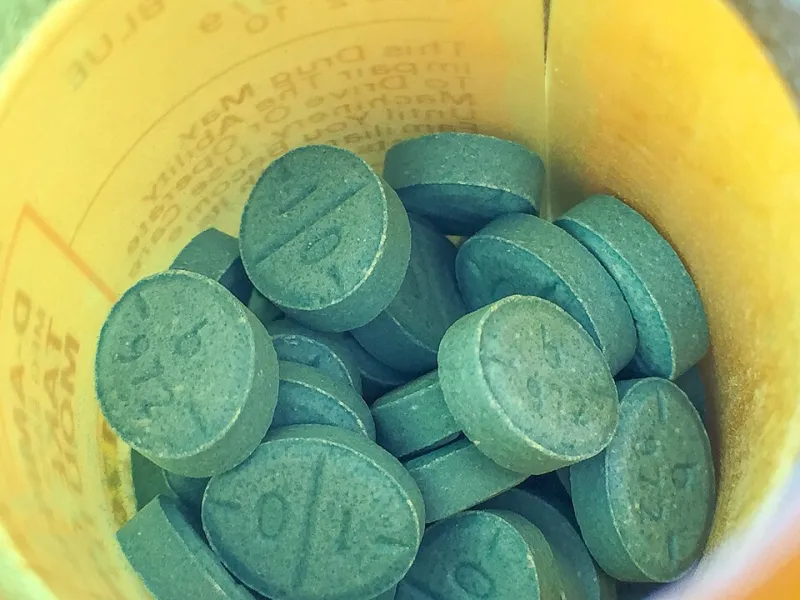
Photo: Tony Webster from Minneapolis, Minnesota, United States, CC BY 2.0, via Wikimedia Commons
Ciprofloxacin entered the American market in the late 1980s as a premium antibiotic, and today it retails — without insurance, without coupons — for roughly the price of a sandwich. Pharmacy chains built famous discount programs around drugs like it, and a full course of generic cipro can often be had for under ten dollars cash.
That affordability is a genuine public health achievement. It is also more complicated than it looks.
How Cipro Got So Cheap
When a branded drug's patents expire, multiple manufacturers begin producing generic versions, and competition drives prices toward the floor. Ciprofloxacin has been generic in the United States since 2004, and the market now includes dozens of manufacturers. Standard formulations — the 250 mg and 500 mg tablets most commonly prescribed for urinary and respiratory infections — are among the least expensive prescription drugs in the country.
Most commercial insurance plans and Medicare Part D formularies place generic cipro in the lowest cost tier, meaning many insured patients pay nothing or a nominal copay. For the uninsured, discount cards and cash-price programs frequently beat insurance pricing outright.
When Cheap Doesn't Mean Simple
Low prices can create their own distortions.
First, discount programs typically cover a fixed list of drugs at fixed doses. If your prescriber wants an extended-release formulation, a combination product, or an unusual duration, the $4 price may not apply — and the gap between the advertised price and your actual price can catch patients off guard at the register.
Second, cost can quietly shape prescribing. When a drug is essentially free, there is less friction around prescribing it — including in situations where clinical guidelines suggest a different agent, or no antibiotic at all. A 2022 federal analysis found that a substantial share of antibiotic prescriptions written in outpatient settings were not clinically indicated. Cheap, familiar drugs are easy to reach for. Whether that reach is always justified is a separate question.
Third, the cheapest option is not automatically the safest option for a given patient. Ciprofloxacin carries a boxed warning and specific precautions for older adults, patients with tendon or nerve histories, and those on interacting medications. An alternative antibiotic might cost twenty dollars more and represent a meaningfully better risk profile. A patient who never learns the price difference — or never learns the risk difference — cannot weigh either.
What Patients Should Do
- Ask about alternatives and their prices. A frank conversation with your prescriber or pharmacist about cost, risks, and guideline recommendations costs nothing.
- Check the cash price before using insurance. Discount cards and cash pricing sometimes win.
- Confirm the formulation. If your prescription isn't covered at the advertised price, ask whether a standard tablet would work as well.
- Don't let price substitute for a clinical conversation. Cheap doesn't mean appropriate; expensive doesn't mean better.
The Larger Lesson
Ciprofloxacin's price collapse tells a story about what generic competition does for access — and about the limits of price as a proxy for quality in medicine. The drug works well for the infections it's suited to, and its low cost removes a real barrier for millions of patients. But the same low cost makes it easy to prescribe reflexively, and easy to fill without asking the questions that matter.
In American healthcare, we're trained to worry about affordability. With generic cipro, affordability is the easy part. The harder question — is this the right drug for me? — still deserves an answer, whatever the receipt says.