Staying Ahead of Infection: Practical Lifestyle Strategies to Help Reduce Your Antibiotic Dependency
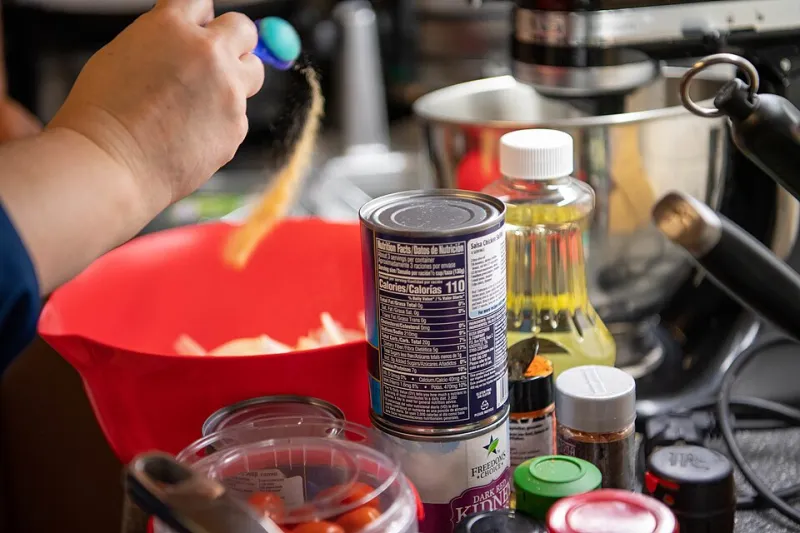
Photo: U.S. Air Force photo by Airman 1st Class Jordan Lazaro, Public domain, via Wikimedia Commons
Ciprofloxacin and other antibiotics have transformed modern medicine, turning once-dangerous infections into manageable conditions. But the very accessibility of these medications has created a cultural habit in the United States: reaching for a prescription at the first sign of illness. The consequences of that habit — antibiotic resistance, disrupted gut health, and unnecessary side effects — are increasingly difficult to ignore.
The good news is that many common bacterial infections are preventable. A combination of thoughtful daily habits, dietary awareness, and proactive hygiene practices can significantly reduce the frequency with which your body becomes vulnerable to the kinds of infections that prompt antibiotic prescriptions. This is not about avoiding necessary medical treatment — it is about reducing how often that treatment becomes necessary.
Hydration: Your First Line of Defense
Adequate hydration is one of the simplest and most consistently supported strategies for preventing certain bacterial infections, particularly urinary tract infections (UTIs) — among the most common reasons Americans receive prescriptions for ciprofloxacin.
The urinary tract is designed to flush out bacteria through the regular passage of urine. When fluid intake is insufficient, urine becomes more concentrated and less frequent, giving bacteria like Escherichia coli a longer window to adhere to the walls of the bladder and urethra. Studies have shown that increasing daily water intake — with a general target of approximately eight cups per day for most adults, adjusted for body size and activity level — can reduce UTI recurrence rates significantly.
For individuals who struggle to drink plain water consistently, herbal teas, diluted fruit-infused water, and broth-based soups all contribute to overall fluid intake. Limiting excessive consumption of caffeine and alcohol, both of which have mild diuretic and bladder-irritant properties, is also a practical supporting measure.
Dietary Choices That Support Immune Resilience
The immune system is not a single organ — it is a network of biological processes that depends heavily on nutritional input to function well. A diet that consistently falls short on key micronutrients creates vulnerability; a diet rich in whole foods helps maintain the kind of immune readiness that intercepts infections before they take hold.
Vitamin C plays a well-documented role in immune function, supporting the activity of white blood cells and acting as an antioxidant that reduces cellular stress. Citrus fruits, bell peppers, strawberries, and broccoli are all excellent sources available year-round in most American grocery stores.
Zinc is another critical micronutrient for immune defense, involved in the development and communication of immune cells. Lean meats, legumes, pumpkin seeds, and fortified cereals are reliable dietary sources.
Probiotic-rich foods — including yogurt with live cultures, kefir, kimchi, and sauerkraut — help maintain the integrity of the gut microbiome, which plays a surprisingly central role in overall immune regulation. A diverse, balanced gut microbiome is associated with reduced susceptibility to respiratory and gastrointestinal infections alike.
Conversely, diets high in ultra-processed foods, refined sugars, and excessive saturated fats have been linked to chronic low-grade inflammation that can impair immune responsiveness over time. This does not require a radical dietary overhaul; incremental improvements — adding a serving of vegetables, replacing a sugary snack with a handful of nuts — compound meaningfully over months and years.
Hygiene Practices That Actually Matter
Handwashing remains one of the most rigorously validated infection-prevention tools available, and yet surveys consistently find that a substantial portion of Americans do not wash their hands correctly or frequently enough. The CDC recommends washing with soap and water for at least 20 seconds, particularly after using the restroom, before handling food, and after contact with potentially contaminated surfaces.
For individuals prone to urinary tract infections, specific hygiene habits carry additional relevance. Wiping front to back after using the restroom is a straightforward practice that prevents fecal bacteria from migrating toward the urethra. Urinating promptly after sexual activity helps flush any bacteria that may have entered the urinary tract during intercourse — a common pathway for UTI development, especially in women.
Oral hygiene is another often-overlooked dimension of infection prevention. The mouth is a major entry point for pathogens, and chronic gum disease (periodontitis) has been associated with systemic inflammatory responses that can compromise broader immune function. Regular brushing, flossing, and dental checkups are not merely cosmetic concerns — they are legitimate components of infection prevention.
Sleep, Stress, and the Immune Connection
Two lifestyle factors that receive less attention than diet and hygiene — yet have equally substantial effects on immune function — are sleep quality and chronic stress management.
During sleep, the body produces cytokines, proteins that help coordinate immune responses. Persistent sleep deprivation suppresses cytokine production and reduces the activity of natural killer cells, leaving the body less equipped to neutralize pathogens before they establish an infection. The National Sleep Foundation recommends seven to nine hours of sleep per night for most adults, a target that a significant proportion of the US population routinely fails to meet.
Chronic psychological stress activates the hypothalamic-pituitary-adrenal axis, producing sustained elevations in cortisol that suppress multiple branches of immune function. Practices such as regular moderate exercise, mindfulness meditation, adequate social connection, and time spent in natural environments have all demonstrated measurable effects on stress hormone levels and, by extension, immune resilience.
These are not peripheral wellness concerns — they are foundational biological requirements that directly influence how vulnerable your body is to infection.
Knowing When Lifestyle Alone Is Not Enough
Emphasizing prevention should never translate into delaying necessary medical care. Bacterial infections can escalate rapidly, and ciprofloxacin and other antibiotics remain genuinely life-saving interventions when used appropriately.
If you develop symptoms suggesting a serious or worsening infection — high fever, significant pain, symptoms that do not improve after 48 hours, or any signs of systemic illness — prompt evaluation by a healthcare provider is essential. The goal of lifestyle-based prevention is to reduce the frequency of infections that require antibiotic treatment, not to substitute self-care for professional medical judgment.
When antibiotics are prescribed, completing the full course as directed remains critically important. Stopping early — even when you feel better — can allow partially suppressed bacteria to recover and develop resistance.
A Proactive Partnership With Your Health
Reducing antibiotic dependency is not about distrust of modern medicine. It is about recognizing that the body has its own remarkable capacity for defense — a capacity that can be meaningfully strengthened through consistent, evidence-based habits. Hydration, nutrition, hygiene, sleep, and stress management are not passive background factors. They are active investments in the kind of resilience that keeps you out of the pharmacy and in control of your own health narrative.
At CiproHealth, we believe that informed patients make better decisions — not just about the medications they take, but about the daily choices that determine how often those medications are needed in the first place.