Your Medication Safety Checklist: 12 Drug and Supplement Combinations That Could Put You at Risk
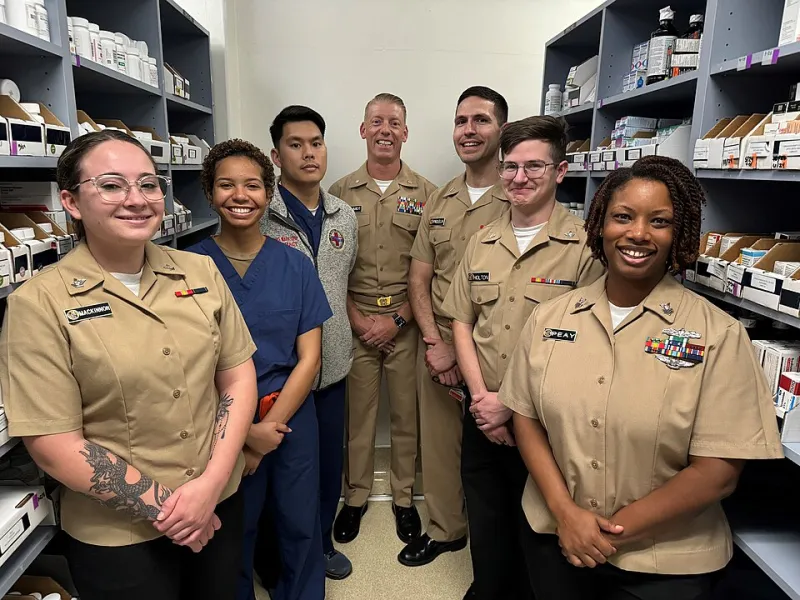
Photo: U.S. Navy NMRTC by Emily McCamy, Public domain, via Wikimedia Commons
According to the Centers for Disease Control and Prevention, nearly half of all Americans take at least one prescription medication, and roughly a quarter take three or more. Add in the over-the-counter drugs lining pharmacy shelves and the growing popularity of dietary supplements — from fish oil to St. John's Wort — and the potential for harmful drug interactions becomes a very real concern for a very large portion of the population.
The good news is that most dangerous drug combinations are well-documented and largely preventable. The challenge is that patients often see multiple specialists, fill prescriptions at different pharmacies, and pick up supplements without mentioning them to any healthcare provider. This fragmented approach to medication management creates gaps in oversight that can have serious consequences.
The following checklist is not exhaustive, but it covers the interactions most frequently encountered in U.S. clinical and pharmacy practice. Use it as a reference, and bring it to your next appointment.
✅ 1. Blood Thinners (Warfarin) + Aspirin or NSAIDs
Why it matters: Warfarin (Coumadin) is one of the most interaction-prone medications on the market. When combined with aspirin or non-steroidal anti-inflammatory drugs (NSAIDs) such as ibuprofen (Advil, Motrin) or naproxen (Aleve), the risk of serious bleeding — including gastrointestinal hemorrhage and intracranial bleeding — increases substantially. Many patients reach for over-the-counter pain relievers without realizing they are on a blood thinner.
What to do: Discuss all pain management needs with your provider. Acetaminophen (Tylenol) may be a safer alternative for mild pain, though even that requires caution in higher doses.
✅ 2. Statins + Certain Antibiotics or Antifungals
Why it matters: Statins such as simvastatin (Zocor) and lovastatin are metabolized by an enzyme called CYP3A4. Antibiotics like clarithromycin and antifungals like fluconazole inhibit this enzyme, causing statin levels in the blood to rise significantly. Elevated statin concentrations increase the risk of myopathy (muscle damage) and, in severe cases, rhabdomyolysis — a potentially life-threatening breakdown of muscle tissue.
What to do: Inform your prescribing physician if you are on a statin before receiving a new antibiotic or antifungal. A temporary statin pause or a switch to a less interaction-prone statin may be recommended.
✅ 3. SSRIs + Tramadol
Why it matters: Selective serotonin reuptake inhibitors (SSRIs) — a widely used class of antidepressants including fluoxetine (Prozac), sertraline (Zoloft), and escitalopram (Lexapro) — can interact dangerously with tramadol, a commonly prescribed pain medication. Both drugs increase serotonin activity, and their combination can trigger serotonin syndrome, a potentially life-threatening condition characterized by agitation, rapid heart rate, high blood pressure, muscle rigidity, and fever.
What to do: Always disclose antidepressant use to any provider prescribing pain management. Several alternative analgesics do not carry this risk.
✅ 4. ACE Inhibitors + Potassium Supplements or Potassium-Sparing Diuretics
Why it matters: ACE inhibitors (lisinopril, enalapril) already raise potassium levels in the blood as part of their mechanism. Adding potassium supplements or potassium-sparing diuretics such as spironolactone can push potassium to dangerous levels — a condition called hyperkalemia — which can disrupt heart rhythm and, in severe cases, cause cardiac arrest.
What to do: Have your potassium levels monitored regularly if you are on an ACE inhibitor. Avoid potassium supplements unless specifically directed by your provider.
✅ 5. Fluoroquinolone Antibiotics + Antacids, Calcium, or Iron Supplements
Why it matters: Fluoroquinolones such as ciprofloxacin (Cipro) and levofloxacin (Levaquin) bind tightly to certain minerals — specifically the calcium in antacids, dairy products, or supplements, as well as iron and zinc — in a process called chelation. This binding prevents the antibiotic from being properly absorbed into the bloodstream, potentially rendering the medication ineffective against the infection being treated.
What to do: Take fluoroquinolone antibiotics at least two hours before or six hours after consuming antacids containing aluminum or magnesium, calcium supplements, iron supplements, or multivitamins containing minerals. Consult your pharmacist for specific timing guidance.
✅ 6. MAOIs + Numerous Medications and Foods
Why it matters: Monoamine oxidase inhibitors (MAOIs), an older class of antidepressants including phenelzine (Nardil) and tranylcypromine (Parnate), are notorious for their extensive interaction profile. They can cause severe, sometimes fatal reactions when combined with other antidepressants, stimulants, certain pain medications, decongestants like pseudoephedrine, and even tyramine-rich foods such as aged cheeses, cured meats, and fermented products.
What to do: Patients on MAOIs require comprehensive counseling from both their prescriber and pharmacist. A complete medication and dietary review is essential before starting any new drug or supplement.
✅ 7. St. John's Wort + Multiple Prescription Medications
Why it matters: St. John's Wort is one of the most widely used herbal supplements in the United States, often taken for mild depression or anxiety. However, it is a potent inducer of the CYP3A4 enzyme, meaning it accelerates the breakdown of numerous medications — including HIV antiretrovirals, oral contraceptives, cyclosporine (used in organ transplant recipients), and certain chemotherapy agents — potentially reducing their effectiveness to dangerous levels.
What to do: Always disclose supplement use to your healthcare team. St. John's Wort is best avoided by anyone taking medications with a narrow therapeutic window.
✅ 8. Metformin + Contrast Dye Used in Imaging
Why it matters: Metformin, the most commonly prescribed medication for type 2 diabetes in the U.S., can interact with iodinated contrast dye used in CT scans and certain other imaging procedures. In patients with reduced kidney function, this combination can precipitate a rare but serious condition called lactic acidosis.
What to do: Inform your radiology team that you take metformin before any imaging procedure involving contrast. Your provider may recommend temporarily pausing the medication around the time of the scan.
✅ 9. Beta-Blockers + Calcium Channel Blockers
Why it matters: Both of these drug classes slow the heart rate and reduce the force of cardiac contractions. When used together — particularly the combination of a beta-blocker like metoprolol with a non-dihydropyridine calcium channel blocker like diltiazem or verapamil — the additive effect can cause dangerously slow heart rates (bradycardia) or heart block.
What to do: This combination is sometimes used intentionally under careful supervision, but it requires regular cardiac monitoring. Never adjust doses of either medication without physician guidance.
✅ 10. Alcohol + Sedatives, Sleep Aids, or Opioids
Why it matters: Alcohol is a central nervous system depressant. When combined with benzodiazepines (Xanax, Valium), sleep medications (Ambien), or opioid pain relievers, the combined sedative effect can suppress breathing to a life-threatening degree. This interaction is responsible for a significant proportion of drug-related emergency department visits and overdose deaths in the United States.
What to do: Abstain from alcohol while taking any sedating medication. Review your full medication list with your provider if you consume alcohol regularly.
✅ 11. Digoxin + Amiodarone or Certain Antibiotics
Why it matters: Digoxin, used to treat heart failure and certain arrhythmias, has a very narrow therapeutic window — meaning the difference between an effective dose and a toxic one is small. Amiodarone (an antiarrhythmic) and some antibiotics can raise digoxin levels significantly, increasing the risk of digoxin toxicity, which can cause nausea, visual disturbances, and life-threatening cardiac arrhythmias.
What to do: Digoxin levels should be monitored closely whenever a new medication is introduced. Report any unusual symptoms to your provider immediately.
✅ 12. Lithium + NSAIDs or Diuretics
Why it matters: Lithium, used to manage bipolar disorder, is another medication with a very narrow therapeutic range. NSAIDs and thiazide diuretics (often prescribed for blood pressure) can increase lithium concentrations in the blood, raising the risk of lithium toxicity — a serious condition involving tremors, confusion, kidney damage, and cardiac effects.
What to do: Patients taking lithium should avoid regular NSAID use and notify their prescriber before starting any new blood pressure medication. Routine lithium level monitoring is essential.
Making the Most of This Checklist
This list represents a starting point, not a comprehensive catalog of every possible interaction. The most effective safeguard against dangerous combinations is maintaining a complete, up-to-date medication list — including all prescription drugs, over-the-counter products, vitamins, and herbal supplements — and sharing it with every member of your healthcare team.
Your pharmacist is one of the most underutilized resources in medication safety. A pharmacist can conduct a thorough medication review, identify potential interactions, and coordinate with your prescribing physicians when concerns arise. Many pharmacies in the United States offer this service at no additional cost.
Medication safety is a shared responsibility between patients and providers. Staying informed is the first and most important step.
This article is for informational purposes only and does not substitute for personalized medical or pharmaceutical advice. Consult your healthcare provider or pharmacist with specific questions about your medication regimen.