The Two-Hour Rule: How to Schedule Coffee, Calcium, and Ciprofloxacin Without Sabotaging Your Dose
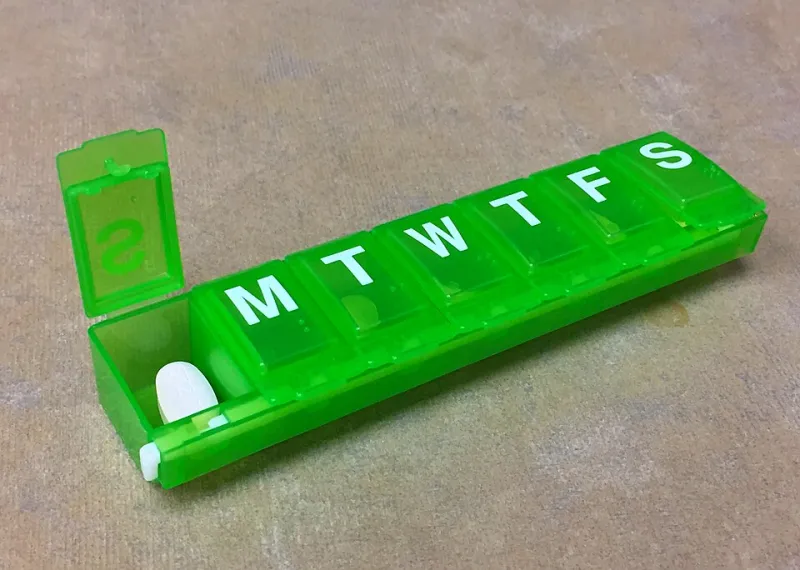
Photo: NIAID, CC BY 2.0, via Wikimedia Commons
For a medication that works in a matter of hours, ciprofloxacin is remarkably easy to defeat. Not with another drug, and not with an allergic reaction — but with a glass of milk, a calcium chew, or the multivitamin sitting on your kitchen counter.
The problem comes down to chemistry. Ciprofloxacin belongs to a class of antibiotics that binds readily to positively charged minerals, particularly calcium, magnesium, iron, zinc, and aluminum. When the drug encounters these minerals in the digestive tract, the two form an insoluble complex that your body cannot absorb. The antibiotic passes through you largely unused — and the infection you're treating gets a head start.
The good news: timing solves nearly all of it.
Why Spacing Beats Avoidance
Many patients assume that taking cipro means giving up coffee, yogurt, or their daily supplement routine for a week. In practice, you don't need to eliminate anything. You need to separate things.
Clinical guidance generally recommends keeping ciprofloxacin at least two hours before or six hours after products containing calcium, magnesium, iron, or aluminum. That window gives the drug time to move past the absorption zone in the upper intestine before the minerals arrive.
Coffee deserves a brief note of its own. Plain black coffee doesn't meaningfully interfere with cipro absorption, but coffee taken with milk, cream, or a calcium-fortified creamer effectively becomes a dairy product for this purpose. If your morning latte is non-negotiable, simply take your cipro dose at a different point in the day.
A Sample Daily Timeline
Here's what a realistic day can look like for a patient on twice-daily ciprofloxacin:
- 7:00 AM — Wake up. Take cipro with a full glass of water on an empty-ish stomach.
- 7:30 AM — Breakfast. Skip the milk in your oatmeal; use water or a plant-based alternative. Black coffee is fine.
- 9:00 AM — Take your multivitamin and any calcium or iron supplements. This is also a fine time for yogurt or a latte.
- 3:00 PM — Second cipro dose. Water again, no dairy alongside.
- 3:30 PM — Snack or lunch. Cheese, leafy greens, fortified foods — all fine now.
- 9:00 PM — Antacids, calcium chews, or magnesium supplements can be taken if needed.
The pattern is simple: cipro first, minerals later — or minerals first, cipro much later.
Quick Reference: Do's and Don'ts
Do:
- Take cipro with plain water
- Keep a two-hour buffer before mineral-containing products
- Allow six hours after antacids or supplements before your next dose
- Ask your pharmacist to map your full medication list against your dosing schedule
- Set alarms if you take multiple medications at staggered times
Don't:
- Swallow cipro with milk, calcium-fortified juice, or antacids
- Take iron supplements within two hours of your dose
- Assume "natural" products are safe — mineral-rich herbal preparations can bind the drug just as effectively
- Rearrange your schedule without checking whether your other prescriptions interact
When the Schedule Gets Complicated
Patients managing several prescriptions — a calcium channel blocker here, an iron supplement there, a proton pump inhibitor for reflux — face a genuine scheduling puzzle. Ciprofloxacin also interacts with certain drugs through entirely separate mechanisms, such as tizanidine, which should not be combined with cipro at all.
This is where a medication review with your pharmacist or prescriber becomes essential rather than optional. A pharmacist can often consolidate your supplement timing, identify products that can be paused for the duration of your antibiotic course, and flag combinations that require a call to your physician.
One Last Practical Note
Ciprofloxacin can also increase sensitivity to sunlight and, in some patients, cause restlessness or difficulty sleeping. Taking your evening dose at dinnertime rather than bedtime may help. And if you drink coffee regularly, be aware that caffeine side effects can feel amplified while on fluoroquinolones — another reason the morning-dose, mid-morning-coffee arrangement works well for many people.
None of this requires perfection. It requires a plan. Two hours of foresight protects the full strength of your prescription — and gives the antibiotic the fair chance it needs to work.