After the Antibiotic: How Cipro Can Leave Your Immune System Struggling to Stand on Its Own
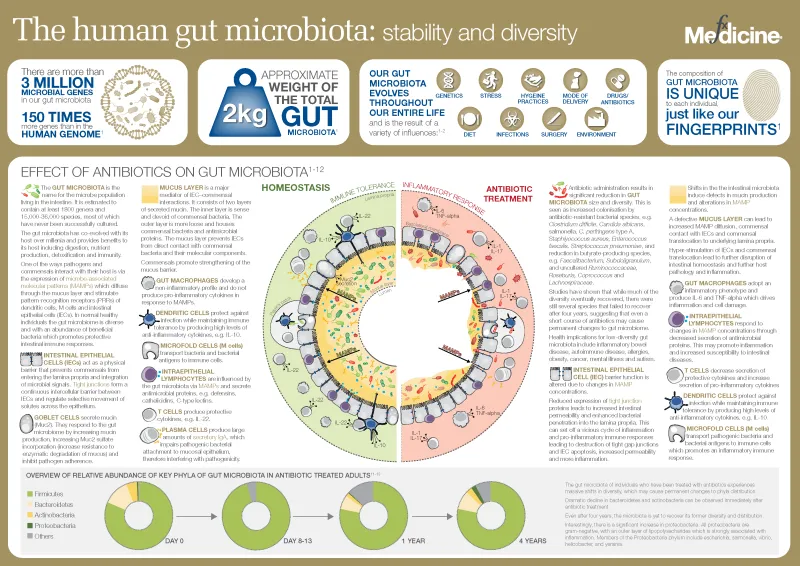
Photo: immune system recovery after antibiotics gut health concept, via i.pinimg.com
For many patients, the relief that follows a course of ciprofloxacin feels like a clear victory. The fever breaks, the pain subsides, and daily life resumes. Yet beneath that surface-level recovery, a more complex biological story may be unfolding — one that involves not just the infection, but the very immune infrastructure your body relies on to prevent the next one.
Understanding why eliminating bacteria is only part of the equation requires a closer look at how Cipro works, what it disrupts in the process, and what patients can do to restore their defenses once the prescription runs out.
How Cipro Targets Bacteria — and What Else It Affects
Ciprofloxacin belongs to the fluoroquinolone class of antibiotics, a group known for its broad-spectrum potency. It works by inhibiting bacterial enzymes called DNA gyrase and topoisomerase IV, which are essential for bacterial replication. This mechanism is highly effective — Cipro can achieve rapid bacterial kill rates that few other oral antibiotics can match.
However, this same aggressive mechanism does not operate in a vacuum. The human gut, which houses approximately 70 percent of the body's immune activity, is also home to trillions of microorganisms collectively known as the gut microbiome. These microbial communities are not passive bystanders; they actively regulate immune cell production, inflammatory signaling, and the body's ability to distinguish harmful pathogens from harmless substances.
When Cipro eliminates pathogenic bacteria, it frequently disrupts this microbial ecosystem as well. Studies have shown that fluoroquinolone treatment can significantly reduce microbial diversity in the gut — sometimes for months following a single course — and this reduction has measurable consequences for immune function.
The Immune System's Dependency on Microbial Balance
One of the more underappreciated aspects of immune health is just how deeply it depends on a balanced microbiome. Beneficial gut bacteria help stimulate the production of regulatory T-cells, which modulate immune responses and prevent the system from overreacting or underreacting to threats. They also support the production of short-chain fatty acids, compounds that nourish the intestinal lining and serve as signaling molecules for immune activity.
When antibiotic treatment disrupts this environment, the downstream effects can be significant. Patients may experience what researchers describe as immune atrophy — a state in which the immune system's responsiveness is blunted not because of the infection itself, but because the microbial scaffolding that supports immune readiness has been damaged.
This helps explain a pattern that many clinicians observe: patients who complete a course of Cipro and appear fully recovered sometimes experience recurrent infections, prolonged fatigue, or unusual susceptibility to illness in the weeks and months that follow. The infection is gone, but the immune system's ability to mount an independent, effective response has been quietly compromised.
Antibiotic Overuse and the Cumulative Toll on Immune Readiness
The concern deepens when antibiotic exposure is not isolated to a single course. In the United States, antibiotic prescribing rates remain among the highest in the developed world, and many patients have received multiple courses of broad-spectrum antibiotics over their lifetimes. Each course carries the potential for additional microbiome disruption, and research suggests that recovery of microbial diversity becomes less complete with repeated exposures.
Over time, this cumulative disruption may contribute to what some researchers characterize as immune dysregulation — a state in which the immune system is neither appropriately responsive to genuine threats nor capable of maintaining the tolerance necessary to avoid autoimmune activity. While fluoroquinolones are not the sole contributor to this problem, their potency makes them a particularly relevant factor in this broader public health conversation.
Recognizing the Signs That Your Immune System Needs Support
Following a course of ciprofloxacin, certain symptoms may suggest that immune recovery has not kept pace with bacterial clearance. These can include:
- Persistent fatigue that does not resolve after the acute infection has cleared
- Recurrent infections, particularly urinary tract infections, respiratory illnesses, or skin infections
- Digestive irregularities such as bloating, loose stools, or increased sensitivity to foods
- Prolonged inflammatory symptoms, including joint discomfort or low-grade fever
None of these symptoms are diagnostic on their own, and patients experiencing them should consult a healthcare provider. However, awareness of these patterns can prompt more productive conversations about post-antibiotic recovery and immune support.
Evidence-Based Strategies for Rebuilding Immune Resilience
The good news is that the immune system is not static. With deliberate attention, patients can take meaningful steps to support microbial restoration and immune readiness following antibiotic treatment.
Prioritize Probiotic and Prebiotic Nutrition
Foods rich in live cultures — such as plain yogurt with active cultures, kefir, kimchi, sauerkraut, and miso — can help reintroduce beneficial bacteria into the gut environment. Equally important are prebiotic foods, which serve as fuel for those bacteria. Garlic, onions, leeks, asparagus, and whole grains are practical, widely available options for US patients.
For those who prefer supplemental probiotics, consulting with a healthcare provider about specific strains — particularly Lactobacillus and Bifidobacterium species — may be worthwhile, as strain selection can influence outcomes.
Support Immune Function Through Sleep and Stress Management
Sleep is one of the most powerful regulators of immune activity. During deep sleep stages, the body increases production of cytokines — proteins that coordinate immune responses to infection and inflammation. Chronic sleep deprivation measurably reduces cytokine output and impairs the activity of natural killer cells, which are among the immune system's first responders.
Similarly, chronic psychological stress elevates cortisol levels, which can suppress immune signaling and reduce the effectiveness of immune surveillance. Mindfulness-based stress reduction, regular physical activity, and structured relaxation practices have demonstrated measurable immune benefits in clinical research.
Discuss Targeted Nutritional Support With Your Provider
Certain micronutrients play well-documented roles in immune function. Vitamin D, zinc, and vitamin C have received the most research attention, and deficiencies in any of these are associated with impaired immune responses. Blood testing can identify specific deficiencies, allowing for targeted supplementation rather than generalized guesswork.
Patients should always discuss supplementation with their healthcare provider, particularly following antibiotic treatment, as some supplements may interact with medications or underlying conditions.
Avoid Unnecessary Antibiotic Re-Exposure
Perhaps the most protective step a patient can take is to avoid unnecessary antibiotic use in the period following treatment. This means completing the prescribed course, resisting the impulse to seek antibiotics for viral illnesses, and working with a provider to explore narrower-spectrum alternatives when future bacterial infections do require treatment.
A More Complete Picture of Recovery
Ciprofloxacin remains a clinically valuable antibiotic for serious bacterial infections, and its role in medicine is well established. However, patients deserve a complete picture of what recovery truly involves — one that extends beyond the resolution of acute symptoms to encompass the restoration of the immune systems that protect them going forward.
At CiproHealth, our commitment is to ensure that patients and caregivers have access to the information they need to make fully informed decisions. Recognizing that killing the infection is only the first step in a longer recovery process is not a reason to avoid necessary treatment — it is a reason to approach that treatment with greater intention, preparation, and follow-through.
If you have recently completed a course of ciprofloxacin and have concerns about your recovery, speak with your healthcare provider about a post-treatment plan that addresses both the infection and the immune system it leaves behind.